
For the truth of reality to be pearled in art’s tranquil verve, that’s what the “The Oldest System Programme of German Idealism” idealises in its razor-sharp rhetoric infused with freedom and passion. “The state…should cease to exist,” it said in words betraying an anarchist imagery, envisioning a new society constituted by absolutely free beings, girdled with threads — of liberty, equality, and brotherhood — spliced, and the loose strands clamouring for artistic emancipation jutting out. Holderlin, Hegel and Schellong (whose brainchild is this manifesto) had a dim view of the state; a “miserable apparatus” their fragment said. Decrying the superstitious, the shallow pretence of reason, their minds would stretch even beyond, with hopes of aestheticising the philosophical. “[beauty] comprises all ideas, and … truth and goodness are fraternally united only in beauty. The philosopher must possess as much aesthetic power as the poet,” they said. A ‘mythology of reason’ that would enlighten every (living) soul, to the extent of intellectual sagacity being heaped on all, far and wide — a shadow of the aesthetic spirit, and which they believed would beget true equality.
The 1796-dated politico-philosophical fragment, set the precedent for a broader movement that would rediscover the subverted talents of humanity — its power of imagination, creativity, and the zeal of its emotions. Early on, in the nineteenth century a triad of three intellectuals (bestowed with an astonishing command of aesthete) would call their philosophical work ‘romanticism’ to distinguish their creations from the larger rigid, sombre currents of the day. The movement’s often pitted against the rationalist movement of the enlightenment of the preceding century. Against its classicist sensibility, even more. But for its forebears in Jena, Friedrich Schlegel, Friedrich Von Hardenberg (or Novalis), and Friedrich Schleiermacher (who were acclaimed for their literary criticism, poetry, and theology, respectively) their philosophical enterprise was more an effort to cultivate rational thought, that flies in the face of all that’s predisposed to dogmatism, superstitiousness, naive religious traditionalism and the repressive conservatism of the time — than an apology for emotions. It was a novel kind of iconoclasm, which concocted doctrines of liberation and creativity in the right proportions. In a way, given its rationalist proclivity, Early German Romanticism (or Frühromantik, as it was called) was spearheading the work of Kant and other major enlightenment figures, for the next century and beyond.
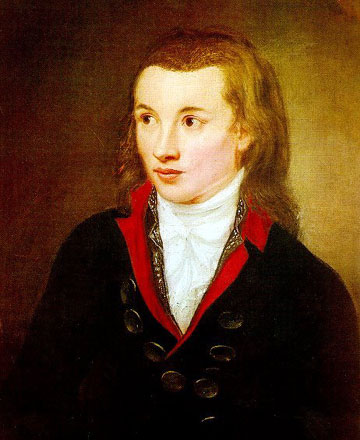
Novalis 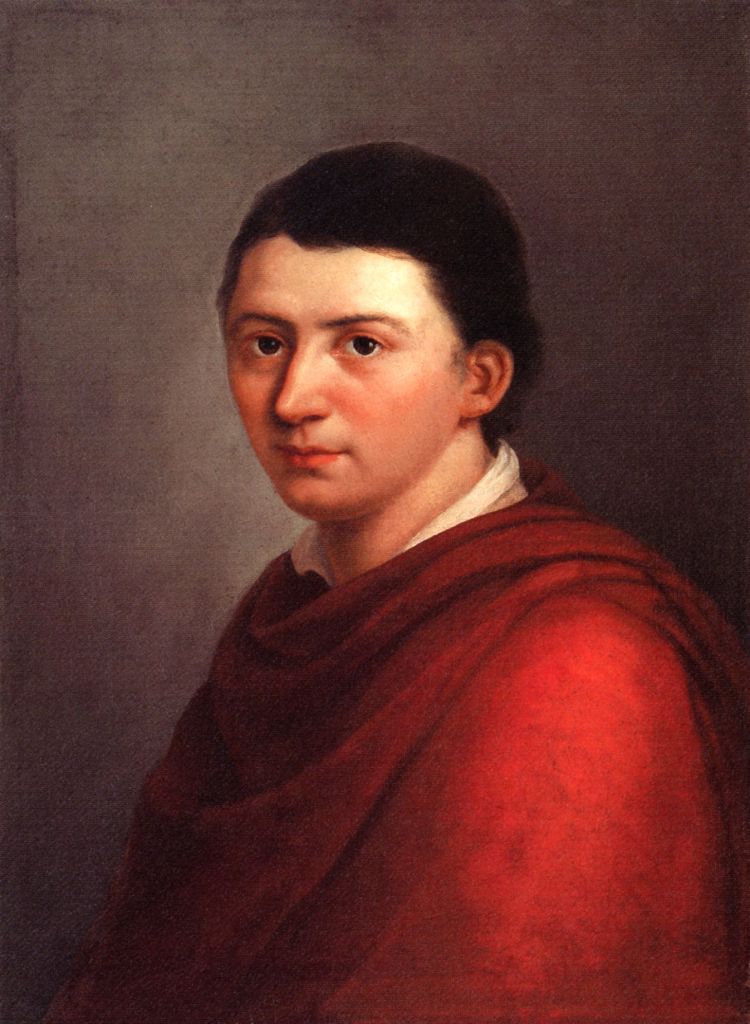
Friedrich Schlegel 
Friedrich Schleiermacher
If there’s a term that would define the process by which the three philosophised, collaborating and complementing each other, providing constructive criticisms, and celebrating the deserved, a mutually conceived intellectual amour that goes afar the dispositions of our day — it would be ‘symphilosophising’, a term as novel as their philosophy. It is only unfortunate that the currents of their thought got commingled with the ideas of the later romantics who saw art as a repudiation of rationalism, in an overwhelming comber of that porous expression ‘romanticism’, bearing and passing on unintentionally the subtleties individual to their own movements. In itself, Frühromantik embosoms much that is of literary merit, equally profound in its temptations and canons, and what’s adumbrated here is a mere bough of the all-encompassing life form it was, though it breathed only for a short while. Romanticism, as the prevailing emotion of the writings and artistry of the time, has been bestowed with a literature of its own that deftly analyses and unravels its every fine point. But to be enriched individuals, to acquire the taste of real philosophising, we must turn back to the three greats of Jena.
 The Unsaturated Reader